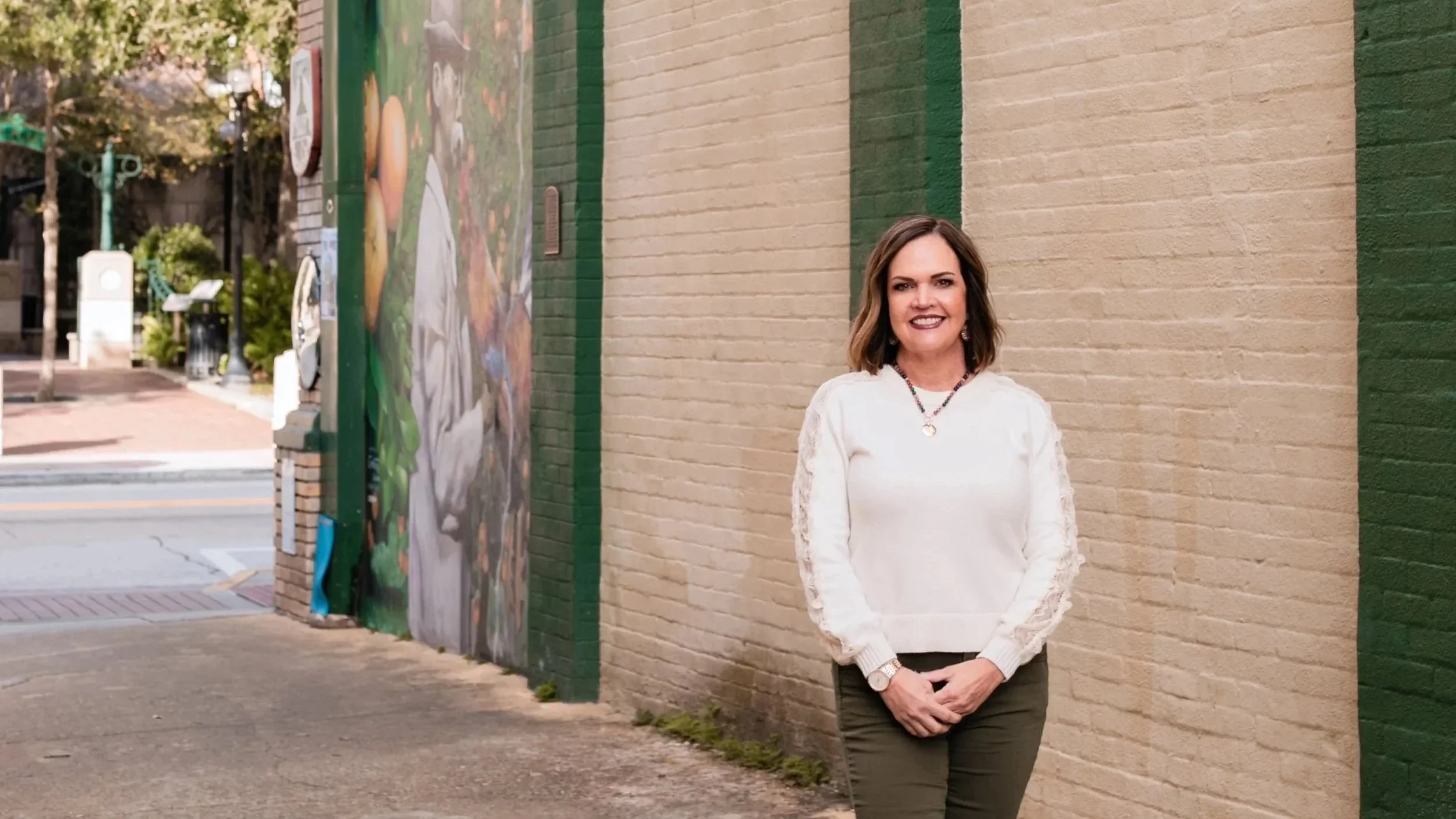
A Vision for the Future
Brenda leads with authenticity, compassion, and an unwavering commitment to the students and educators of Volusia County. Her vision is more than a list of ideas—it’s a thoughtful, experience-driven plan to restore trust, improve outcomes, and bring meaningful support to the classroom. Explore the pillars below to see how she intends to make real, lasting change.
My Pillars
-
1. Bring Financial Accountability Back to the Classroom
I believe district resources should prioritize teachers, students, and classrooms over unnecessary spending. By focusing budgets on direct educational support instead of administrative excess, we can create stronger working conditions for educators and improve retention.
2. Reestablish Strong Mentoring Programs
Bring back formal mentoring programs led by experienced educators. Provide protected collaboration time and practical support that helps new teachers succeed, reduces burnout, and strengthens classroom management.
3. Give Teachers a Voice in Leadership
Create meaningful teacher advisory groups and include educators in decisions involving curriculum, discipline, and school operations. Teachers should have a seat at the table when policies directly impact their classrooms.
4. Respect and Support Teachers Consistently
Reduce unnecessary paperwork and administrative burdens, protect planning and lunch time, and maintain regular communication between school leadership and staff. Teachers are more likely to stay when they feel supported and respected year-round.
5. Better Support for Early-Career Teachers
Provide additional classroom support for teachers with less than two years of experience, including mentorship, co-teaching opportunities, and professional development focused on real classroom challenges.
-
1. Strong fundamentals drive student success.
When students can read, write, and do math confidently in structured classrooms, learning accelerates, behavior improves, and long-term success becomes possible at every grade level.
2. Experience in the classroom shapes this vision.
As a former educator, I’ve seen that when fundamentals slip, learning gaps widen and challenges grow. Rebuilding strong academic and behavioral foundations must be a priority across all schools.
3. You can’t replace fundamentals with programs or technology.
Innovation has a place, but it cannot substitute for consistency, structure, and mastery of core skills. Strong teaching—not expensive initiatives—is what truly moves students forward.
4. Focus resources where learning actually happens.
Learning gaps don’t close through district-level distractions or one-size-fits-all solutions. They close in classrooms, through effective instruction, daily reinforcement, and smart, responsible use of resources.
-
1. Place Students in the Right Learning Environment
Every student learns differently. Matching them to the right setting increases success and restores calm to classrooms.
Expand alternative learning environments for students who need smaller groups, additional structure, or therapeutic support.
Use clear, data-driven criteria for when a student should transition to a different setting.
Make sure teachers have a real voice in placement decisions.
2. Give Administrators Real, Usable Consequences
Principals can’t enforce expectations with consequences that don't mean anything.
Reinstate practical, effective interventions: loss of privileges, structured restitution, meaningful in-school consequences, and mandatory parent conferences.
Provide a district-approved tiered consequence system that principals are empowered to use consistently.
Suggest documentation so behavior patterns follow the student, ensuring continuity.
3. Bring District-Level Support Into the Schools
Leadership should help solve behavior problems, not just write policies from far away.
Suggest district personnel to spend time on campuses weekly supporting administrators with behavior challenges.
Use these visits to model expectations, mentor newer administrators, and intervene when chronic issues escalate.
Maintain a direct communication loop between teachers, principals, and district leaders.
4. Replace the Ineffective Discipline Matrix
The current one-size-fits-all discipline matrix has failed students, teachers, and administrators.
Develop age-appropriate discipline models for elementary, middle, and high school.
Allow administrators the flexibility to apply consequences based on context, not a rigid chart.
Establish campus Behavior Escalation Teams to ensure repeated infractions receive a stronger, more effective response.